What's New

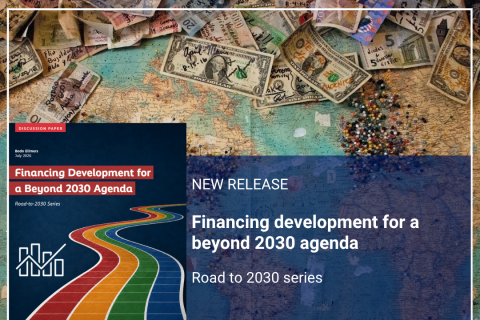
This briefing analyses the political and structural causes behind the lack of progress in implementing the SDGs and discusses different options for an effective “Beyond 2030 Agenda”, from questions of development financing and international cooperation to a fundamental debate about the current understanding of development policy. It is the final publication by our former director Jens Martens, who passed away in May 2026. We publish it in grateful memory of his longstanding commitment to global justice and sustainable development.
Massive cuts in public funding are threatening the human right to health and placing the global system under enormous pressure. To close these funding gaps, governments are relying increasingly and uncritically on the involvement of private actors, with far-reaching consequences for access to medicines and political influence.
Global health faces a profound structural crisis as public funding cuts and rising inequalities threaten the human right to health, leaving 4.5 billion people without basic services. Many now see an opportunity to bring in private actors to close the funding gap, with little critical scrutiny. Against this backdrop, Brot für die Welt, Global Policy Forum Europe and Misereor have outlined six theses on the role of private actors in global health, offering clear, actionable recommendations for the German government.

Publications

This briefing analyses the political and structural causes behind the lack of progress in implementing the SDGs and discusses different options for an effective “Beyond 2030 Agenda”, from questions of development financing and international cooperation to a fundamental debate about the current understanding of development policy. It is the final publication by our former director Jens Martens, who passed away in May 2026. We publish it in grateful memory of his longstanding commitment to global justice and sustainable development.
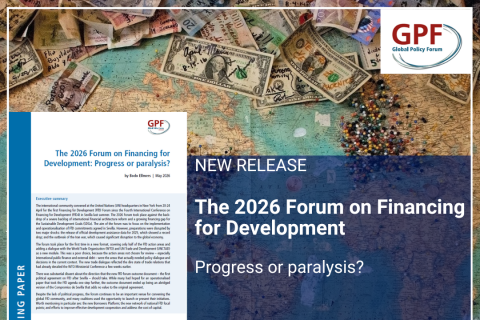
This briefing assesses the outcomes of the 2026 UN Financing for Development Forum, examining whether it delivered meaningful progress on implementing the Sevilla commitments or reflected broader paralysis in global economic governance. It finds that the forum largely failed to advance implementation, with weak outcomes, misplaced priorities in the agenda, and growing divergence among Member States limiting progress.

Governments in the global south pay significantly higher interest rates on loans and bonds than governments in the global north. This financial divide is a key cause of disparities in prosperity and development around the world. The price of money determines the extent to which a state can provide goods and services for its citizens like healthcare and education. It also determines how far necessary transformations, such as climate change adaptation, can be financed from domestic resources.

The issue has gained considerable prominence in development policy discourses in recent years and is also [...]

Our Network

Social Watch
Womans Major Group
Eurodad
Corporate Accountability
Global Tax Justice
Netzwerk Steuergerechtigkeit
Konzernmacht beschränken
Plattform Globale Gesundheit
Treaty Alliance
Reflectiongroup
Geneva Global Health Hub
lieferkettengesetz.de
Treaty Alliance
Image
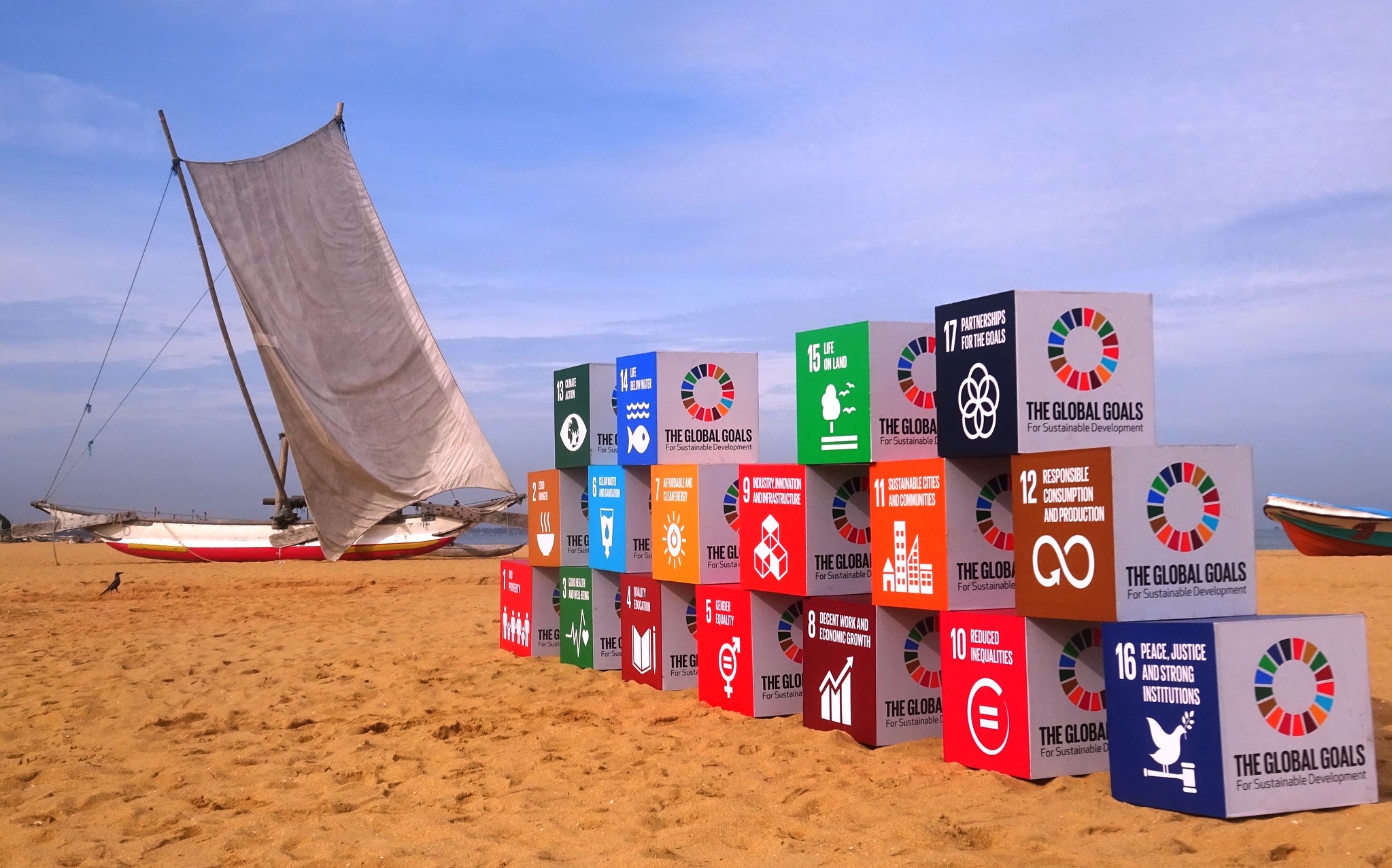
This photo of SDGs on the beach was taken during the GEF meeting in Sri Lanka. Photo by Mike Akester, 2016.

By Celia Sudhoff

For several weeks now, Germany has been engaged in an intense debate about the welfare state. This was triggered by a statement made by Chancellor Merz of the governing Christian Democratic Union (CDU) state party conference at the end of August: “We simply can no longer afford the system we have today.” Specifically, he wants to cut welfare payments and relieve the burden on the pension funds by making it more attractive to work into old age.