Publikationen

Format:

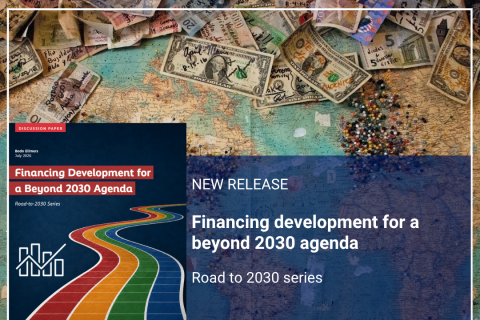
The debate over a global development agenda beyond 2030 has begun. One lesson should shape it from the outset: Ambitious goals are meaningless without the means to achieve them. 

The 2030 Agenda was underfunded from the beginning: The financial framework the international community could agree on were never sufficient to make the Sustainable Development Goals (SDGs) achievable. The promised "billions to trillions" model - assuming that a few billion in public finance would mobilise trillions in private investment - never [...]

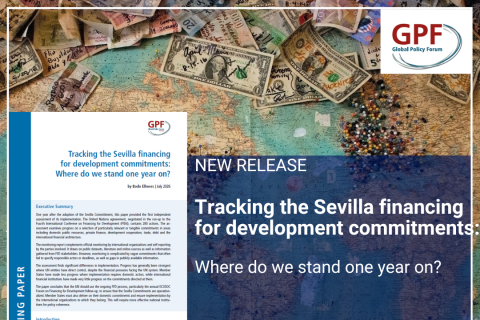
In July 2025, governments adopted the Sevilla Commitment, the UN's plan for financing development. We have launched a first independent assessment, which finds that the UN has mostly delivered where it can act alone. Member States are moving too slowly on commitments, and some commitments are even backsliding. But where the International Monetary Fund needs to act, progress has stalled, and civil society organisations have stepped in instead. Read the full assessment - 43 commitments, rated from done to backsliding.

This list, which is currently incomplete, presents the body of Jens Martens’ published work. Please send any information regarding missing publications to europe@globalpolicy.org.

Diese Liste, derzeit noch unvollständig, soll das beachtliche publizistische Lebenswerk von Jens Martens der Öffentlichkeit zugänglich machen. Hinweise zu fehlenden Publikationen nehmen wir gerne entgegen unter europe@globalpolicy.org 

This briefing analyses the political and structural causes behind the lack of progress in implementing the SDGs and discusses different options for an effective “Beyond 2030 Agenda”, from questions of development financing and international cooperation to a fundamental debate about the current understanding of development policy. It is the final publication by our former director Jens Martens, who passed away in May 2026. We publish it in grateful memory of his longstanding commitment to global justice and sustainable development.
Dieses Briefing analysiert die politischen und strukturellen Ursachen der mangelnden Fortschritte bei der Umsetzung der SDGs und diskutiert verschiedene Optionen für eine wirkungsvolle „Beyond 2030 Agenda“, von Fragen der Entwicklungsfinanzierung und internationalen Kooperation bis hin zu einer grundsätzlichen Debatte über das bisherige Verständnis von Entwicklungspolitik. Es ist das letzte Briefing unseres ehemaligen Direktors Jens Martens, dass wir in dankbarer Erinnerung an sein langjähriges Engagement für globale Gerechtigkeit und nachhaltige Entwicklung veröffentlichen.

Challenges and options for action

Global health faces a profound structural crisis as public funding cuts and rising inequalities threaten the human right to health, leaving 4.5 billion people without basic services. Many now see an opportunity to bring in private actors to close the funding gap, with little critical scrutiny. Against this backdrop, Brot für die Welt, Global Policy Forum Europe and Misereor have outlined six theses on the role of private actors in global health, offering clear, actionable recommendations for the German government.

Herausforderungen und Handlungsoptionen

Die globale Gesundheit befindet sich in einer tiefen Krise: Kürzungen öffentlicher Mittel und wachsende Ungleichheit bedrohen das Menschenrecht auf Gesundheit und lassen 4,5 Milliarden Menschen ohne grundlegende Versorgung zurück. Viele sehen nun eine Chance darin, private Akteure einzubinden, um diese Finanzierungslücke zu schließen – ohne dies jedoch kritisch zu hinterfragen. Vor diesem Hintergrund haben wir mit Brot für die Welt und Misereor sechs Thesen zur Rolle privater Akteure in der globalen Gesundheitspolitik formuliert und konkrete Forderungen an die Bundesregierung gerichtet.
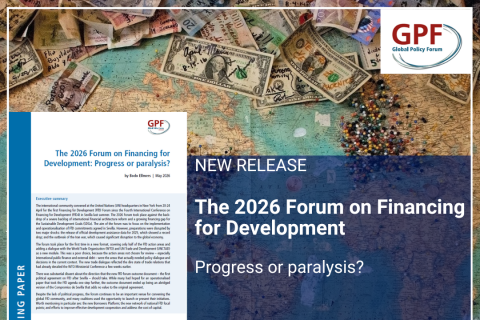
This briefing assesses the outcomes of the 2026 UN Financing for Development Forum, examining whether it delivered meaningful progress on implementing the Sevilla commitments or reflected broader paralysis in global economic governance. It finds that the forum largely failed to advance implementation, with weak outcomes, misplaced priorities in the agenda, and growing divergence among Member States limiting progress.

Frauenrechte stehen weltweit unter zunehmendem Druck. Gleichstellung der Geschlechter und sexuelle und reproduktive Rechte werden längst nicht mehr nur von radikalen Gruppierungen am Rande der Gesellschaft attackiert – rechtspopulistische Regierungen, und allen voran die USA, geben ihnen prominente Rückendeckung. Gleichzeitig verschärfen digitale Technologien neue Formen geschlechtsspezifischer Gewalt. Vor diesem Hintergrund trafen sich vom 9. bis 19. März 2026 in New York tausende Staatenvertreter:innen und zivilgesellschaftliche Organisationen zur 70. Sitzung der UN Frauenrechtskommission (CSW70), dem weltweit größten Forum für Frauenrechte.

Zentral [...]